Are AI-based tools for mental health helpful or harmful?
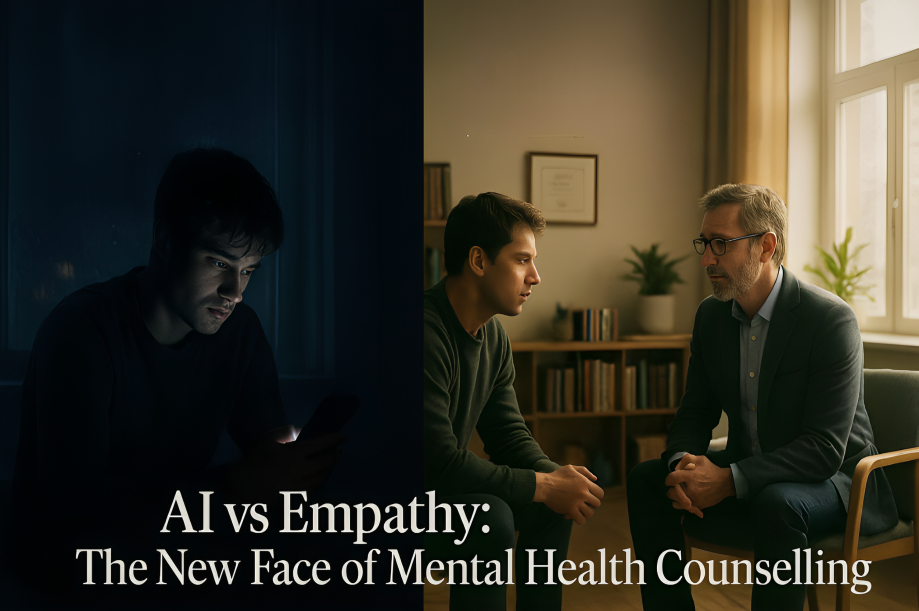

News:
Recently, a shocking case from Lucknow revealed how an AI chatbot allegedly “advised” a youth toward self-harm, sparking nationwide outrage. As experts question whether machines can truly understand human pain, India now faces a haunting dilemma — can technology meant to heal also harm the minds it aims to protect?
Arguments in Favour of Using AI Chatbots in Mental Health Counselling
1. Accessibility Beyond Human Limits
AI chatbots provide instant emotional support 24/7, reaching people who lack access to trained counsellors due to geography, stigma, or cost. In countries like India, where one counsellor may serve over 100,000 people, AI fills a crucial gap. For many, it’s easier to open up to a non-judgmental system than face human evaluation.
- Example: Mental health platforms such as Wysa and Woebot have been used by millions globally, offering free, confidential guidance that reduces anxiety and loneliness through cognitive-behavioural prompts.
2. Reducing Stigma Around Mental Health
Many individuals avoid therapy due to social judgment or fear of being labelled “unstable.” AI chatbots offer a private, stigma-free space to start conversations about emotions, encouraging early intervention. When people can express distress anonymously, they’re more likely to seek further help if needed.
- Example: A 2022 WHO report noted that anonymous digital interventions significantly increased help-seeking among adolescents in Asia and Africa compared to traditional counselling programs.
3. Cost-Effective and Scalable Solution
Hiring and training professional therapists is expensive and slow, especially in developing nations. AI chatbots can serve millions simultaneously at minimal cost, making mental health support economically sustainable. Governments and NGOs can use them to expand basic emotional care without straining budgets.
- Example: The UK’s National Health Service (NHS) used AI-assisted chat tools during the pandemic to reduce therapy wait times by nearly 40% in some regions.
4. Data-Driven Emotional Insights
AI systems can detect emotional patterns and linguistic cues that human counsellors might miss. By analysing tone, word choice, and response timing, they can flag early signs of depression or burnout, prompting timely intervention. This makes support more proactive than reactive.
- Example: IBM’s “Project Debater” and similar models have demonstrated over 80% accuracy in identifying emotional sentiment, helping counsellors prioritise critical cases.
5. Complementing, Not Replacing, Therapists
AI chatbots can act as a bridge, not a substitute. They handle routine emotional check-ins, freeing human counsellors to focus on complex or high-risk cases. This hybrid model increases efficiency while preserving human empathy where it matters most.
- Example: Stanford University’s “TheraBot” project showed that combining human therapists with AI-based pre-session screening improved treatment outcomes by 25%.
6. Encouraging Self-Awareness and Reflection
Conversing with an AI chatbot often prompts users to articulate emotions they would otherwise suppress. This process of structured reflection can itself be therapeutic, helping users track mood patterns and triggers over time.
- Example: The journaling feature in apps like Replika allows users to revisit previous conversations, giving them perspective on emotional progress and recurring stressors.
Arguments Against Using AI Chatbots in Mental Health Counselling
1. Emotional Empathy Cannot Be Simulated
AI can mimic empathy through text but lacks genuine emotional understanding. People often seek therapy for human connection — not scripted compassion. When distress runs deep, algorithmic reassurance feels hollow and may even worsen isolation.
- Example: A 2023 study in the Journal of Mental Health found that users who relied solely on AI-based counselling reported lower satisfaction and emotional relief compared to those in human-led sessions.
2. Risk of Misdiagnosis and Oversimplification
AI chatbots rely on predefined scripts and datasets, not contextual human judgment. Complex conditions like trauma, grief, or personality disorders require subtle understanding that algorithms can’t replicate. Misinterpretation may lead to dangerous neglect of serious issues.
- Example: In 2022, a chatbot was criticised for offering generic “self-care tips” to a user expressing suicidal intent, exposing the ethical risks of unsupervised automation.
3. Privacy and Data Vulnerabilities
Mental health conversations involve highly sensitive personal data, and even with strong encryption, AI systems remain vulnerable to data breaches, leaks, or unethical corporate use. Once emotional records are stored, privacy is permanently at risk because digital. This not only undermines user trust but also raises serious concerns about mental health surveillance and long-term data misuse.
- Example: Investigations in 2023 revealed that several mental health apps sold anonymised chat data to advertisers — raising questions about informed consent, confidentiality, and the absence of clear data protection laws in India.
4. Dependence Without Real Resolution
AI counselling encourages emotional expression but cannot solve real-world problems. A student struggling with low marks or financial issues may feel temporary comfort, but no chatbot can rewrite exams or pay bills. Overreliance creates dependency without tangible improvement.
- Example: Oxford psychologists observed that long-term chatbot users developed repetitive coping cycles, reporting “momentary calm but persistent helplessness.”
5. Cultural and Linguistic Bias in Algorithms
Most AI counselling tools are trained on Western, English-language datasets, causing cultural misinterpretation in emotional contexts. Expressions of sadness, respect, or family duty vary widely, and inaccurate responses can seem insensitive or alien.
- Example: A Hindi-speaking user reported mistranslation of culturally specific grief expressions in an AI therapy app, leading to misclassification of emotions as “anger.”
6. Erosion of Professional and Human Roles
As chatbots grow popular, institutions might use them to cut costs, sidelining human counsellors. This threatens the professional integrity of psychology and risks turning compassion into a commercial product.
- Example: A 2024 UNESCO report warned that unregulated mental health AI could create a “therapy without therapists” culture, where empathy becomes a commodity instead of a practice.
Conclusion:
AI-based tools for mental health represent a double-edged innovation — offering accessibility, early intervention, and reduced stigma, yet posing ethical, privacy, and empathy concerns. They should function as a supportive supplement, not a replacement for human connection. The key lies in responsible integration, transparent data practices, and strict human oversight. Only then can technology truly enhance well-being while safeguarding the dignity, trust, and emotional authenticity of those it seeks to help.

Thanks for sharing. I read many of your blog posts, cool, your blog is very good. https://www.binance.com/register?ref=QCGZMHR6
I don’t think the title of your article matches the content lol. Just kidding, mainly because I had some doubts after reading the article.